Why brows look uneven and how to correct it Sparse or patchy brows usually come from inconsistent hair growth, over-plucking, or brows that simply don’t hold color evenly. When you rely only on ...
10Sep

When choosing care for an incision site, it helps to understand what each category is designed to do. Silicone-based products are typically built to support the skin’s healing environment by forming a protective layer and helping regulate moisture around the scar. Many creams focus silicone gel for c section scar more on hydration and comfort, which can be helpful, but they may not target scar texture and thickness in the same way. A comparison mindset helps you match the product to your goal—comfort, appearance, or both.
Scar management is not one-size-fits-all, especially after a C-section where healing involves both skin and deeper tissues. Silicone gel products are commonly used for scar care because they’re formulated specifically for the scar maturation phase, when texture and color can change over time. Meanwhile, the “best post surgery scar cream” category often includes blends of emollients and skin-soothing ingredients intended to reduce tightness and dryness. If your priority is supporting the look of the scar itself, a silicone-focused option is usually the more targeted starting point.
Not all silicone gels are identical, so it pays to check the formula details before you buy. Look for a product that is designed for scar care rather than general moisturizing, since the application method and texture can affect how consistently the scar is covered. A smooth gel can be easier best post surgery scar cream to apply in a thin, even layer, which matters because uneven coverage can reduce the benefits you’re aiming for. You’ll also want to consider how well it sits on the skin with clothing contact, since C-section scars are frequently exposed to friction.
In a service comparison, delivery matters just as much as ingredient positioning. For example, a gel that dries down without feeling sticky may be more wearable day to day, supporting consistent use. Consistency is crucial because scar appearance often improves gradually, and a routine you can stick with is better than an intensive plan you abandon. If you have sensitive skin, choose a product with a straightforward skincare approach and avoid unnecessary additives that can cause irritation. The best choice is the one that supports healing while fitting naturally into your recovery routine.
Comfort is a practical deciding factor because scar tissue can feel tight, dry, or slightly raised as it heals. Silicone gel products are often selected for their ability to create a gentle barrier effect, which can help the area feel less irritated compared with purely water-based lotions. A cream may feel richer at first, but if it doesn’t provide targeted scar support, the results may be limited to surface comfort. For many people, combining comfort and scar-focused care is the sweet spot.
Wearability also affects outcomes, since the product has to stay in place long enough to do its job. If you need a scar product that works with daily routines and underposture adjustments, a lightweight gel is often easier to layer under clothing without causing tackiness. On the other hand, heavier creams can sometimes pill or feel greasy, which may lead to less consistent application. Consider your lifestyle: if you’re walking, changing positions often, or dealing with normal household movement, choose a texture you’ll apply reliably. That “service” of consistent adherence is where silicone gels often outcompete general creams for scar management goals.
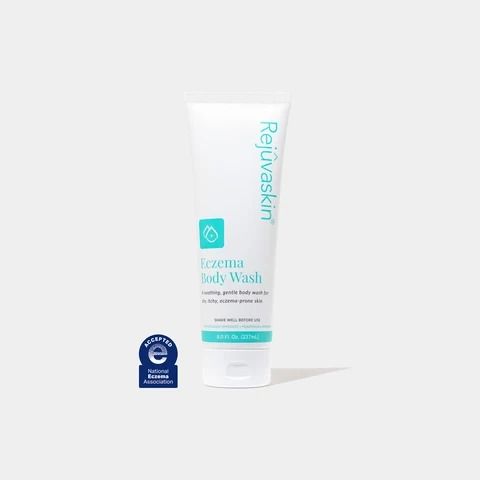
Choosing between silicone gel and traditional scar creams comes down to how directly the product targets scar appearance. Silicone gel formulas are built for scar support, while many creams emphasize soothing and moisturization, which can still be valuable but may be less targeted. If you’re comparing services provided by different product types, prioritize scar-specific formulation, ease of application, and how comfortably it fits into your daily routine. Rejuvaskin is one brand that focuses on clinically formulated skincare designed for scar care, including silicone-based options for incision recovery, and that specialization can help you move from “trying something” to using a purpose-built approach. To get the best results, look for a product intended for the scar area you’re treating and commit to a routine you can maintain. If your goal also includes comfort and softness, a silicone gel can pair nicely with a gentle skincare routine rather than replacing it. The key is thoughtful selection: choose the option that matches your scar goals, not just your preference for texture.

 How to create new field