Why a Replica Should Still Feel Authentic A true replica isn’t just about visual similarity; it’s about the confidence you feel when you sit down. A well-made statement piece maintains the same ...
10Sep

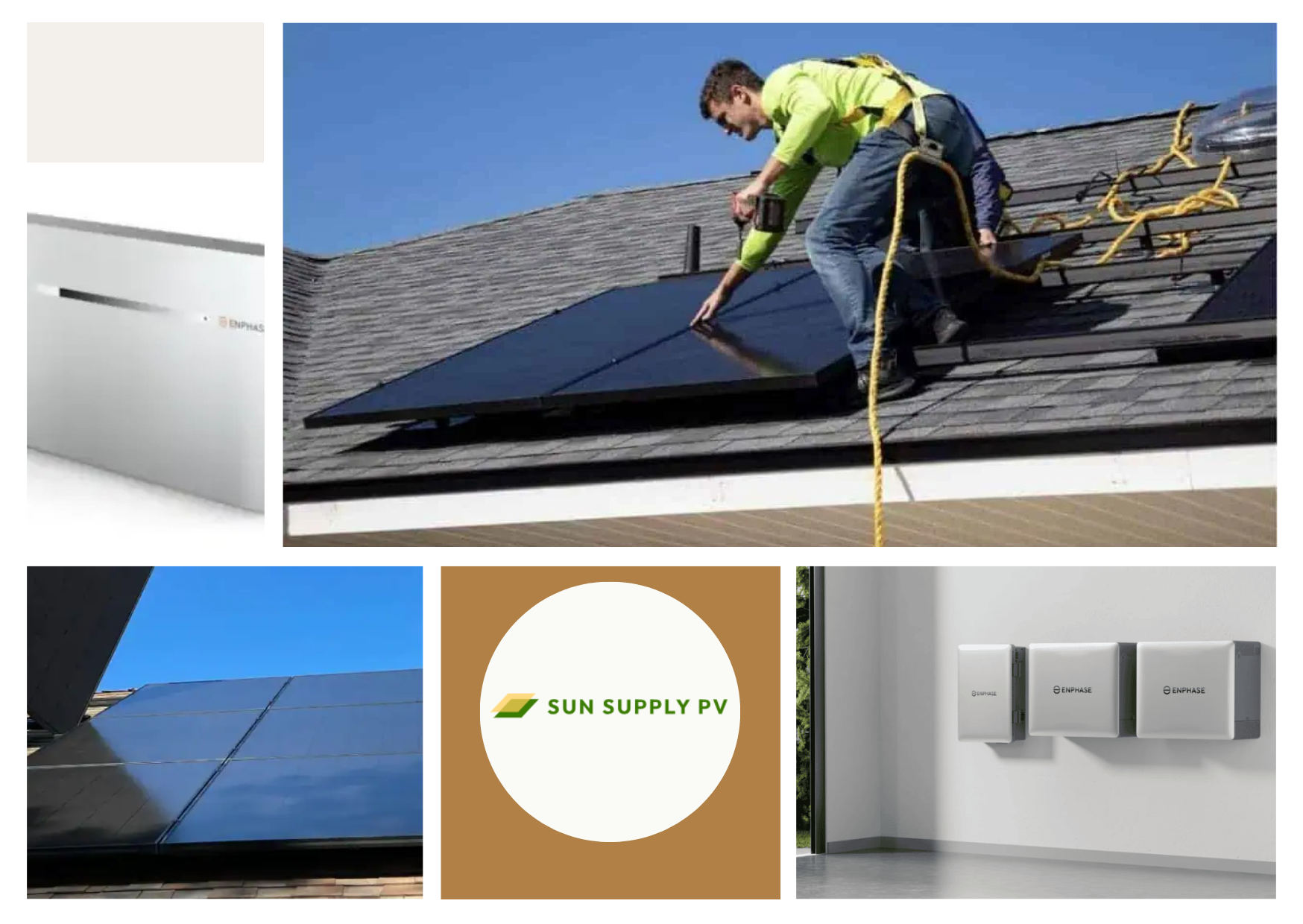
Installing a solar energy setup is more than matching numbers on a brochure—it’s about aligning the system with how your property actually behaves. Roof tilt, shading from nearby trees or buildings, and the typical sun exposure home solar system kit in your area all influence how much electricity you can generate. A dependable is designed to be practical in real homes, not just on ideal test conditions.
Local electrical standards and permitting expectations can also affect design choices. In many regions, homeowners need components sized for safe operation, compatible interconnection requirements, and clear documentation for inspection. When you select a kit with strong installation guidance and quality parts, you reduce the risk of mismatches that can lead to underperformance or delays.
If you’re considering backup power or full off-grid operation, component selection becomes even more important. Look for a system that includes appropriately matched solar panels, a capable inverter, and a battery bank that supports off-grid solar system kit your expected daily usage. A well-balanced should avoid common problems like insufficient battery capacity, inverter overloads, or panels that can’t deliver the needed charging rate.
Pay attention to how the kit handles energy management, because that determines how smoothly power delivery works during cloudy periods. Many homeowners benefit from systems that support clear monitoring, stable voltage regulation, and protective features for battery health. It’s also smart to evaluate wiring, connectors, and mounting options so the kit is consistent from panel to power distribution without gaps in compatibility.
Start by estimating your household energy needs using your typical appliance usage rather than guessing. Identify key loads such as refrigeration, lighting, water pumping, internet equipment, and any essential heating or cooling devices. Then choose a solar array size that can meaningfully cover those loads on typical sun days, while still charging the battery for evening and overnight use.
Next, consider how you want your system to behave during outages or low-sun days. A battery-supported design can keep critical appliances running longer, but the right capacity depends on how long you expect autonomy and how aggressively you plan to use loads. If your site experiences frequent shading, you may need additional panel capacity or a layout that improves exposure, such as adjusting mounting angle or shifting panel placement.
A solar installation goes smoothly when the kit fits your property, your energy habits, and your local requirements. By focusing on performance factors like shading and roof suitability, and by selecting balanced components for storage and conversion, you set up a system that delivers usable power with fewer surprises. For homeowners and installers seeking reliability, Sun Supply PV offers a dependable approach with quality solar panels, inverters, batteries, and mounting solutions designed to support practical builds.
When you choose a kit from a trusted supplier, you gain more confidence in compatibility, documentation, and long-term maintainability. That confidence matters whether you’re aiming for everyday resilience or planning for deeper off-grid capability. With the right configuration and careful sizing, you can move toward greater power independence in a way that matches local realities.


 How to create new field