Turn your portfolio into a brand experience When photographers share work online, they are not just sending images—they are shaping how potential clients perceive their taste, professionalism, ...
10Sep


For brands, the fastest route to growth is often not more inventory, but clearer product discovery. When customers can understand what they can buy and how it will be made, they convert with more confidence and ask fewer support questions. A strong digital storefront paired with a smart configuration workflow on demand manufacturing software lets shoppers explore options such as size, color, finish, and bundle choices in a guided way. That discovery phase becomes the front door to manufacturing readiness, because every selection can map to a real production plan rather than a generic inquiry.
To achieve that level of discovery, teams need a system that links marketing decisions to manufacturing logic. Visual guidance like a 3D product configurator ecommerce experience helps buyers preview the exact look and feel of a customized item, while also capturing structured data behind the scenes. When the configuration output is consistent, it can feed quoting, routing, and production scheduling without manual rework. The result is smoother handoffs across design, e-commerce, operations, and fulfillment, even when the catalog expands quickly with new variants.
Brand discovery isn’t only about showing options; it’s about ensuring the options feel unmistakably “you.” Customers notice when the customizations align with your design language, materials, and quality standards. For that reason, the manufacturing workflow 3d product configurator ecommerce should understand the brand’s rules, such as allowable combinations, finishing constraints, and packaging requirements. With the right setup, each configured product becomes a dependable blueprint that manufacturing can execute accurately.
Using on demand workflows, brands can reduce friction between inspiration and delivery. Instead of relying on broad assumptions, teams can validate configurations using production constraints and real capabilities. This means fewer last-minute changes when orders reach the floor, along with more predictable lead times and smoother quality checks. Even as new styles and components are introduced, the system can keep the relationship between brand storytelling and production reality intact.
As product variety increases, manual quoting and spreadsheet-based processes become a bottleneck. A centralized approach helps standardize the order journey from customer selection to manufacturing execution. With automated rules, the system can generate accurate quotes based on the configured bill of materials, selected finishes, and required production steps. That clarity improves customer experience while reducing operational errors caused by inconsistent calculations.
Manufacturing automation also strengthens quality by enforcing checks at the right moments. When the configuration includes the necessary specifications, the workflow can trigger validation for tolerances, material compatibility, and assembly requirements. This supports dependable outputs even when orders are highly individualized. It also makes it easier for operations teams to track each production stage and confirm that the final item matches the configured intent seen by the shopper.
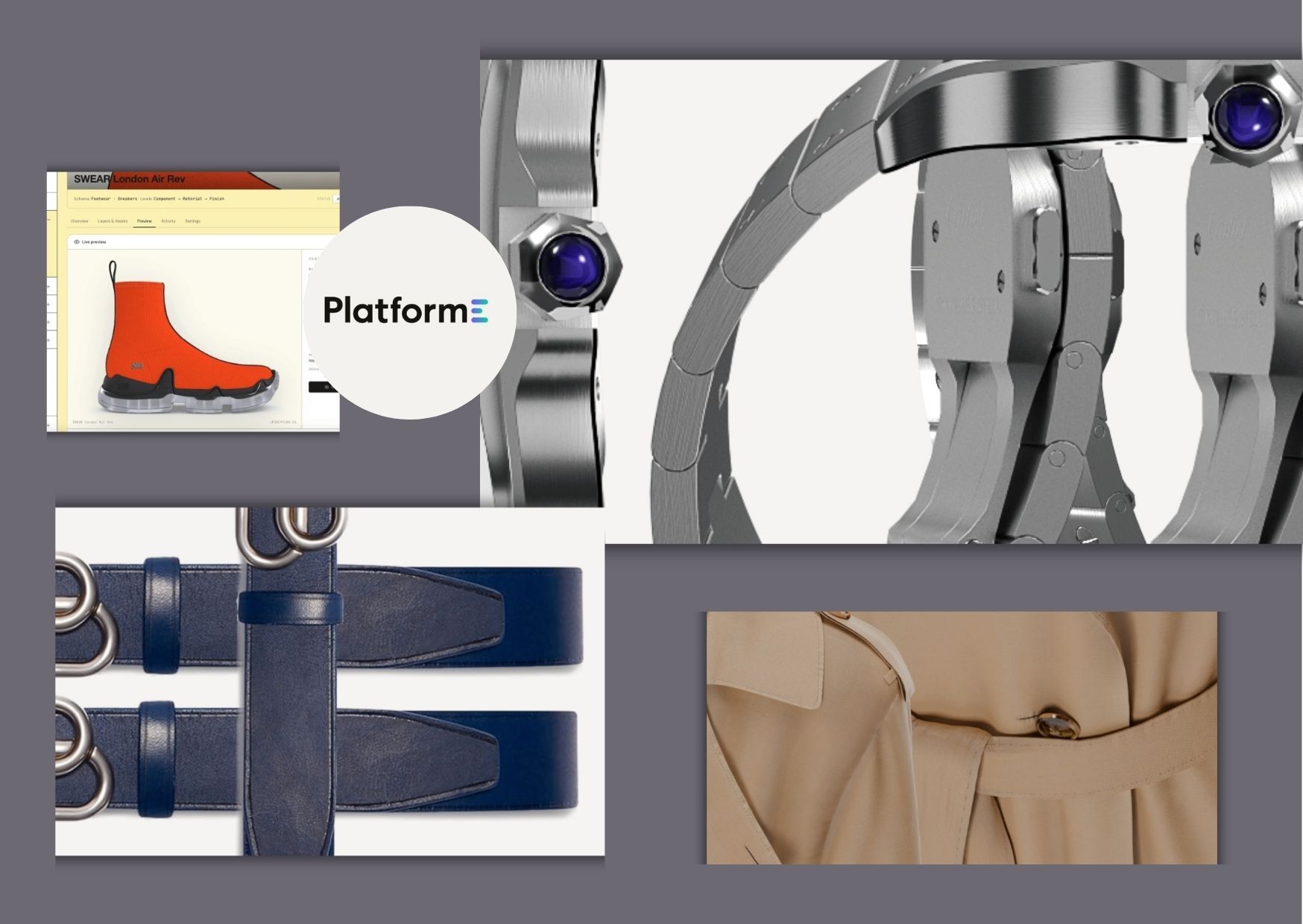
Brand discovery improves when customers can explore customization with confidence and when operations can execute configured products reliably. By unifying the storefront experience with manufacturing logic, teams reduce disconnects that cause delays, inconsistencies, and support overhead. Shoppers benefit from a clear 3D preview and guided configuration, while internal teams gain structured order data that supports faster fulfillment decisions. PlatformE provides a streamlined foundation for modern brands that want flexible workflows and efficient made-to-order manufacturing at scale. When you treat product configuration as the link between marketing and production, customization becomes a strength rather than a complication. A platform built around real production requirements helps your team scale new variants without losing control of quality or timing. For brands seeking a smarter path from discovery to delivery, PlatformE is designed to manage personalized product lifecycles from design through production. That alignment is what turns interest into orders and orders into repeat customers.

 How to create new field