Start with the right fit and daily comfort Look for a snug heel hold and enough toe room to prevent pressure when you walk or stand for long periods. If you’re between sizes, consider measuring ...
10Sep

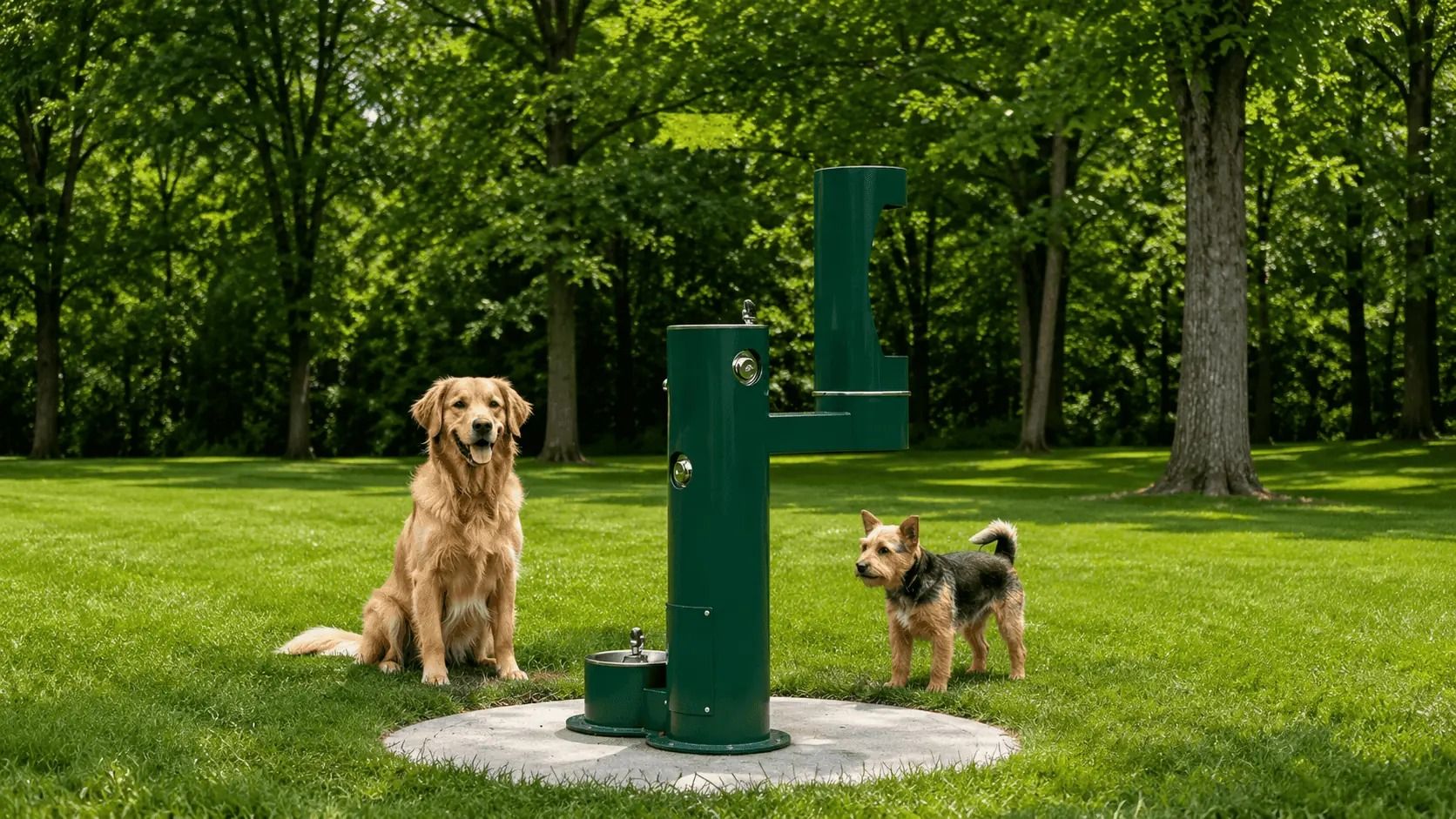
A strong foot-wash solution should balance water delivery, comfort, and maintenance simplicity. Choose designs that provide adequate spray coverage without excessive overspray, so guests can rinse thoroughly while minimizing mess around the station. Look for stable mounting, slip-resistant flooring around the foot washing station rinse zone, and a straightforward way to keep nozzles clean and functioning reliably. The best systems are engineered to handle frequent use while maintaining consistent performance, even when different guests have different rinsing needs.
Because the station will be used by many different people, controls matter as much as performance. Flow-regulated options help keep water use reasonable while still delivering an effective rinse, and easy-to-use activation can prevent frustration at the point of use. If your venue already uses a commercial water cooler for hydration areas, coordinate the placement so guests can rinse and drink without crowding or confusing signage. You can also improve the experience by ensuring the controls are reachable from a natural standing position and that the operation is intuitive for both adults and children.
In addition to spray coverage and activation, pay attention to the nozzle layout and how it supports targeted rinsing. Spacing, spray angle, and pressure balance can make the difference between a quick rinse and one that leaves residue behind. A commercial-grade station should also include components that resist corrosion and wear, especially in environments where guests bring in sand, mud, and saltwater. Durable finishes and well-sealed connections help the system keep working through repeated cycles.
Another practical feature is drainage management. A well-designed drainage path and properly sized discharge help prevent standing water, which reduces slip risk and keeps the surrounding floor cleaner. Consider how the station channels runoff during peak use and whether the system routes water away from walkways and building entrances. When drainage is handled properly, staff spend less time dealing with puddles and tracking residue, and guests enjoy a more comfortable, safer flow through the rinse area.
Where you install the system strongly influences whether guests actually use it. Place the rinsing area near high-traffic transitions such as entry points from wet zones, pool exits, beach pathways, or recreation fields. Aim for a route that feels intuitive—guests commercial water cooler should see the station quickly and understand how to step through the rinse sequence. Clear visual cues, consistent spacing, and a layout that avoids bottlenecks can increase usage while reducing congestion near the station.
Maintenance should be planned from day one, not added later. Select components that are easy to inspect and clean, including accessible parts that can be serviced without major downtime. Provide clear upkeep routines for drainage checks, nozzle cleaning, and surface inspection, because consistent care prevents clogs and keeps water flow strong. For venues with heavy sand or debris loads, routine checks help maintain spray consistency and reduce the likelihood of pressure drop.
To support smooth day-to-day operations, consider how the system will be monitored during busy periods. Simple maintenance access points make it easier to address minor issues before they become larger problems. You can also standardize cleaning tasks for staff by creating a short checklist that includes confirming drainage remains clear, verifying that the activation mechanism responds properly, and checking that the rinse surfaces remain free of buildup.
It also helps to think about guest interaction with the station surfaces. Slip-resistant materials should be paired with a design that encourages proper footing, with enough space to step in and out safely. If the rinse zone includes areas where guests may stand or pivot, ensure the flooring remains stable and that the water flow does not create slick transitions. By keeping the surrounding area organized and easy to navigate, you reduce the chance of accidental slips and keep the station feeling welcoming.
Even a high-performing rinsing system may go unused if guests cannot easily find it or understand how to use it. Position the station so it aligns with natural foot traffic and place it where guests would logically transition from wet or outdoor areas to indoor pathways. When possible, maintain enough walkway width around the rinse zone so guests do not feel crowded while stepping through the process.
Clear signage and simple prompts can help guests figure out the routine quickly. Use straightforward messaging that indicates where to step, how long to rinse, and what to do after rinsing. Consider adding visual markers at the entry of the station area so guests can approach confidently, and ensure the signage is visible from the direction guests are already walking. A well-planned layout combined with clear guidance improves adoption and reduces confusion at peak times.
Commercial environments require consistent results while managing water use responsibly. Systems that incorporate flow regulation, controlled activation, and efficient spray patterns can deliver effective rinsing without excessive waste. Look for designs that focus the water where it is needed most, so guests can clean off residue quickly and leave the rinse zone without tracking additional mess.
Water-saving features work best when they still deliver strong cleaning power at the point of use. Evaluate how the system maintains spray strength when activated repeatedly throughout the day. Stable pressure and well-maintained nozzles are key to preserving the rinse performance guests expect. With the right balance of regulation and spray design, you can reduce unnecessary consumption while keeping the station effective for every guest.
When you evaluate coverage, activation style, drainage design, and serviceability together, you get a system that keeps outdoor spaces clean without creating extra workload for staff. Proper placement and routine maintenance further improve reliability and protect surrounding walkways. For venues that need dependable, commercial-ready equipment, The Fountain Direct offers durable solutions designed for convenient use, easy maintenance, and reliable performance in busy environments at thefountaindirect.com. With the right system in place, parks, pools, beaches, and recreational areas can stay comfortable and welcoming while reducing mess and slip risks for everyone.


 How to create new field