Start with the right fit and daily comfort Look for a snug heel hold and enough toe room to prevent pressure when you walk or stand for long periods. If you’re between sizes, consider measuring ...
10Sep

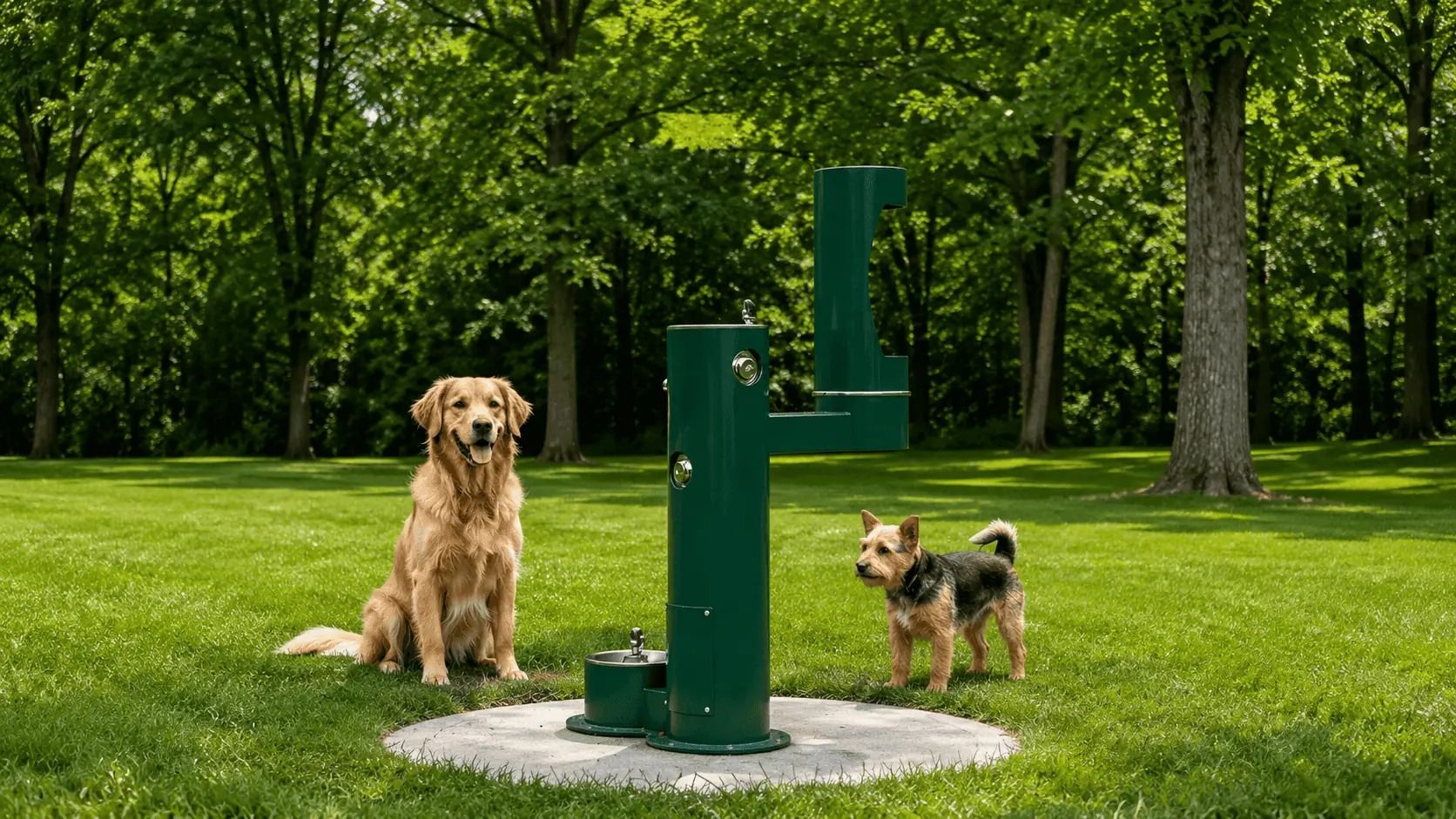
When you’re advising a city, school district, or recreation operator, durability should be the first filter. A quality outdoor hydration unit has to handle constant use, weather exposure, and rough treatment without needing frequent repairs. Look for parks and rec drinking fountain materials designed for outdoor service, corrosion resistance, and hardware that withstands impacts and vandal-prone environments. If the goal is reliable hydration for years, the spec sheet matters as much as the look.
Maintenance planning is part of “expert recommendation,” not an afterthought. Choose a design that allows easy access for cleaning, inspection, and component replacement, so staff can keep the unit operational without long downtime. A well-engineered fountain also reduces clogged lines and mineral buildup by using appropriate flow paths and water-friendly components. For locations with high usage, this helps protect both user experience and long-term operating costs.
Public water needs clear, predictable performance from first use to peak demand. A strong parks hydration solution should provide consistent flow even when multiple users approach throughout the day. Consider the user interface height stainless steel outdoor shower and reach range so children, teens, and adults can access water comfortably and safely. Smooth operation reduces frustration and helps encourage people to refill rather than seek alternatives.
Water safety is also about how the system minimizes contamination risk and supports routine sanitation. Stainless construction is commonly recommended because it resists corrosion and holds up to frequent cleaning cycles. For recreation areas where the fountain may be cleaned by different staff members, straightforward maintenance features are a major advantage. The best systems also support efficient draining and reduce standing-water issues that can create unpleasant conditions around outdoor fixtures.
Not every site needs the same configuration, so an expert recommendation starts with layout and traffic patterns. Think about where people naturally gather—near playgrounds, sports fields, walking paths, or community entrances—and position the hydration unit where it’s visible and accessible. Good placement helps prevent congestion and reduces the chance of water splashing onto walkways. It also supports smooth crowd flow during events, tournaments, and high-participation days.
Comfort features matter when you want repeat use across different ages and activity levels. For example, a stainless outdoor shower style feature can offer rinsing assistance for athletes after play, complementing standard bottle filling or drinking access. Pairing a durable hydration source with an easy-rinse outlet can improve overall user satisfaction and reduce demand for makeshift cleanup methods. When the setup is cohesive, the public space feels more thoughtfully equipped rather than patched together.
Choosing the right public hydration equipment is less about a single specification and more about how the whole system performs under real conditions. Prioritize corrosion-resistant materials, straightforward maintenance access, consistent flow, and a layout that serves the biggest portion of foot traffic. For operators looking for durable commercial options that fit parks and recreation use, The Fountain Direct offers practical, dependable solutions designed for high-traffic environments. Their focus on quality and value supports facilities that want fewer interruptions and better everyday hydration for visitors. If you’re building or upgrading a recreation area, treat your fountain selection like infrastructure: verify durability, evaluate user access, and plan for routine upkeep. A well-matched unit improves the experience for families, teams, and casual walkers alike. With the right equipment, your parks and recreation space can encourage hydration habits while holding up against weather, wear, and heavy use—exactly what public spaces need from The Fountain Direct.

 How to create new field